The Dictator Who Waits
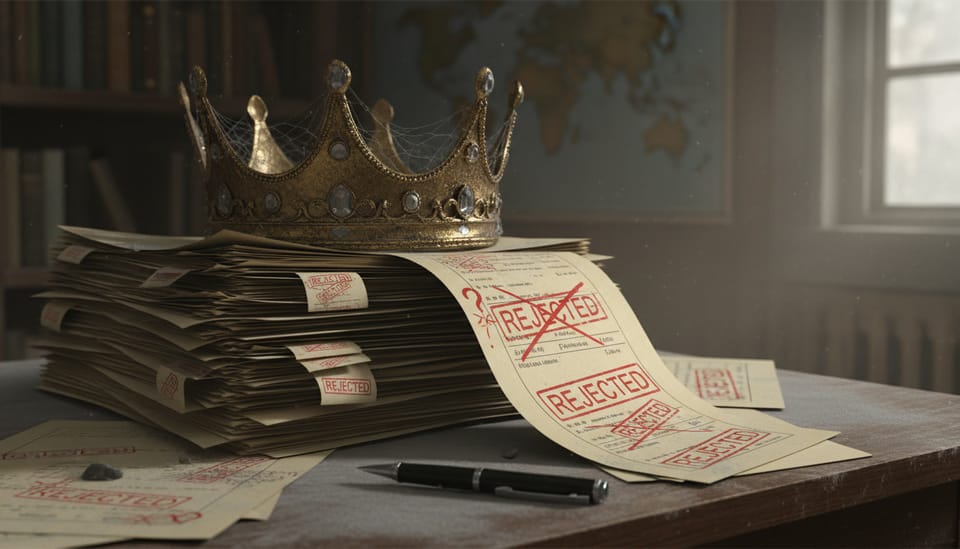
People love to call the president a dictator. It is a reliable applause line in any political era. In this period of American history, it is one Donald John Trump. The word sounds dramatic and it flatters the speaker because it makes every disagreement feel like a moral stand. The problem is that the accusation collapses as soon as you remember how the system actually works.
A real dictator does not wait for a legislature to approve a budget. A real dictator does not sit through negotiations, shutdown threats, or committee hearings. A real dictator does not lose a policy fight because another branch refused to sign off on the spending. If he wanted a program funded, he would simply authorize the money himself. If he wanted opposition removed, he would not argue with them. He would arrest them or erase them from public life.
Shutdowns happen because the president is required to work through Congress. The Constitution gives the purse to the legislature and gives the signature or veto to the executive. When the two sides do not agree, the funding stops. It is a painful reminder that the process is slow, often petty, and full of conflict. It is also a reminder that the president does not rule alone.
So when people reach for the dictator label, they reveal how little they understand about the limits of presidential power. The very existence of a shutdown is proof of those limits. If one man actually held absolute control, there would be no impasse to argue about in the first place. Dictators do not get blocked. Dictators do not wait. Dictators do not negotiate.